全息光场显示
裸眼3D显示,具有双目视差与运动视差,现场可见真实景深
公司介绍
深圳市燃景显示技术有限公司(LitRGB),是一家专注于全息光场裸眼3D显示技术的高新技术企业。公司秉持“让世界看见真实的立体”为使命,专注于为全球2D显示行业提供专业、沉浸式的裸眼3D视觉解决方案。
公司2024年成立,核心团队拥有10余年立体显示技术积淀,在光学设计、图像算法、软件工程等领域具备深厚技术与行业经验。作为专业的裸眼真3D显示方案提供商,我们依托成熟的光栅分光技术,无需佩戴任何专用眼镜,即可呈现具备双目视差与运动视差的真实3D效果,打造沉浸式视觉体验。
我们提供5.5"~110"全息光场裸眼3D显示方案的设计与产品定制服务,实现从光学设计、算法优化到产品定制开发的一站式交付服务。
裸眼3D显示屏产品及成像技术对比
参照大众熟知的3D电影做对比说明
| 产品图 | 3D显示形态 | 双眼视差 | 景深强度 | 移动视差 | 3D内容格式及实现原理 | 备注 |
|---|---|---|---|---|---|---|

|
3D电影 (偏光眼镜式)3D电影(偏光眼镜式) |
有 | 强 | 有有 | 左右格式视频。 原理:双投影机分别投射横竖偏光的图像,再由偏光眼镜分光,实现双眼视差。左右格式视频。 原理:双投影机分别投射横竖偏光的图像,再由偏光眼镜分光,实现双眼视差。 |
需要戴偏光眼镜需要戴偏光眼镜 |
|
|
光场3D显示 (多视点,广告机/游戏机/教培/数字文创等)光场3D显示(多视点,广告机/游戏机/教培/数字文创等) |
有 | 较强 | 有 超范围时模糊有 超范围时模糊 |
内容获取:3D建模生成、相机阵列或光场相机采集、2D视频的AI辅助生成。 原理:光栅控制子像素光的发射方向,屏幕前形成多视点光场。内容获取:3D建模生成、相机阵列或光场相机采集、2D视频的AI辅助生成。 原理:光栅控制子像素光的发射方向,屏幕前形成多视点光场。 |
无需任何眼镜 生理3D感知。算力要求较高,可多人同时观看,分辨率偏低。无需任何眼镜 生理3D感知。算力要求较高,可多人同时观看,分辨率偏低。 |
|
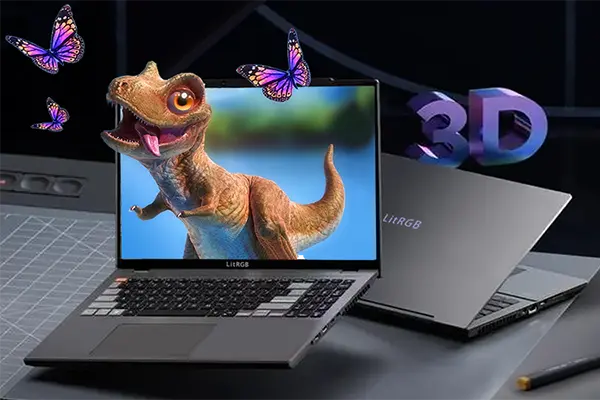
眼球追踪3D显示 (双视点,笔记本/平板/显示器等)眼球追踪3D显示(双视点,笔记本/平板/显示器等) |
有 | 强 | 有 3D模型有,其它无有 3D模型有,其它无 |
内容获取:双目相机拍摄(如iPhone16等)、3D建模生成、2D视频的AI辅助生成。 原理:光栅控制子像素光发射方向,双视点图像经眼球追踪投送给一人观看。内容获取:双目相机拍摄(如iPhone16等)、3D建模生成、2D视频的AI辅助生成。 原理:光栅控制子像素光发射方向,双视点图像经眼球追踪投送给一人观看。 |
无需任何眼镜 生理3D感知。实时处理,可实现实时交互。单用户观看,分辨率较高。无需任何眼镜 生理3D感知。实时处理,可实现实时交互。单用户观看,分辨率较高。 |
|
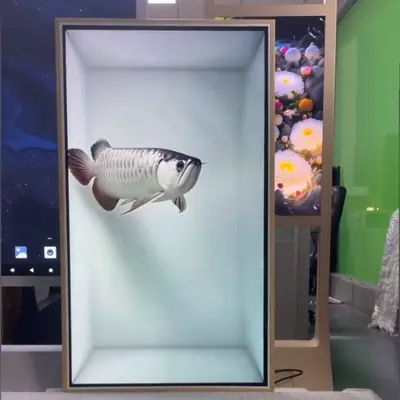
空间显示广告机 (箱式广告机)空间显示广告机(箱式广告机) |
有 | 较强 | 有 | 光场显示和2D显示的结合应用,可看到立体箱式广告机的视觉效果,又有超薄机身。光场显示和2D显示的结合应用,可看到立体箱式广告机的视觉效果,又有超薄机身。 | 无需任何眼镜 生理3D和心理3D结合无需任何眼镜 生理3D和心理3D结合 |

|
传统裸眼3D屏 (裸眼3D广告机)传统裸眼3D屏(裸眼3D广告机) |
有 | 弱 | 无 | 左右格式、九宫格或2D+Z。 原理:光栅控制多视点图像发射方向,形成多视点光场。左右格式、九宫格或2D+Z。 原理:光栅控制多视点图像发射方向,形成多视点光场。 |
生理3D感知生理3D感知 |
|
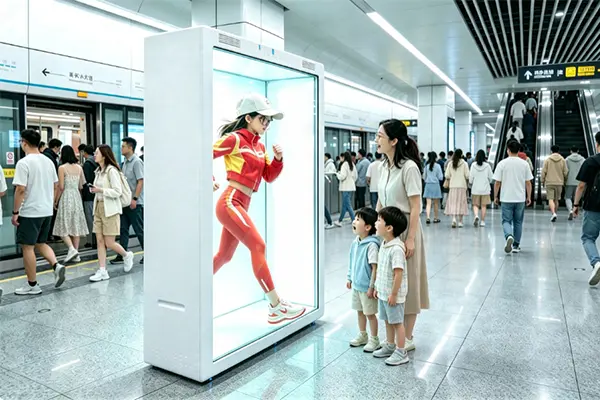
LCD透明柜 (数字人/展厅等)LCD透明柜(数字人/展厅等) |
无 | 无 | 无 | 特制或普通2D视频。 原理:大开孔率的普通显示屏显示图像,由箱式背光源替代原LCD的背光源。特制或普通2D视频。 原理:大开孔率的普通显示屏显示图像,由箱式背光源替代原LCD的背光源。 |
心理3D感知心理3D感知 |
|
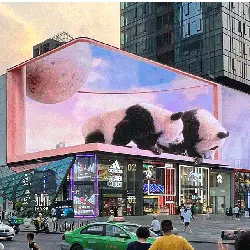
折角户外大屏 (户外LED大屏)折角户外大屏(户外LED大屏) |
无 | 无 | 无 | 特制或普通2D视频。 原理:折角心理暗示及图像遮挡心理暗示。特制或普通2D视频。 原理:折角心理暗示及图像遮挡心理暗示。 |
心理3D感知心理3D感知 |
|
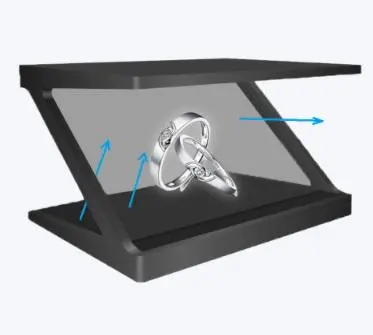
幻影成像(单面45度成像)幻影成像(单面45度成像) | 无 | 无 | 无 | 普通2D视频 原理:贴有特殊反射膜的玻璃与底部普通显示屏成45度放置,人在反射膜上看到底部显示屏上的图像。普通2D视频 原理:贴有特殊反射膜的玻璃与底部普通显示屏成45度放置,人在反射膜上看到底部显示屏上的图像。 |
心理3D感知心理3D感知 |
|
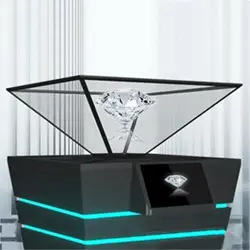
四面锥反射3D柜 (展厅/博物馆等)四面锥反射3D柜(展厅/博物馆等) |
无 | 无 | 无 | 特制2D视频。 原理:半透明反射膜或反射玻璃反射图像。特制2D视频。 原理:半透明反射膜或反射玻璃反射图像。 |
心理3D感知心理3D感知 |
|
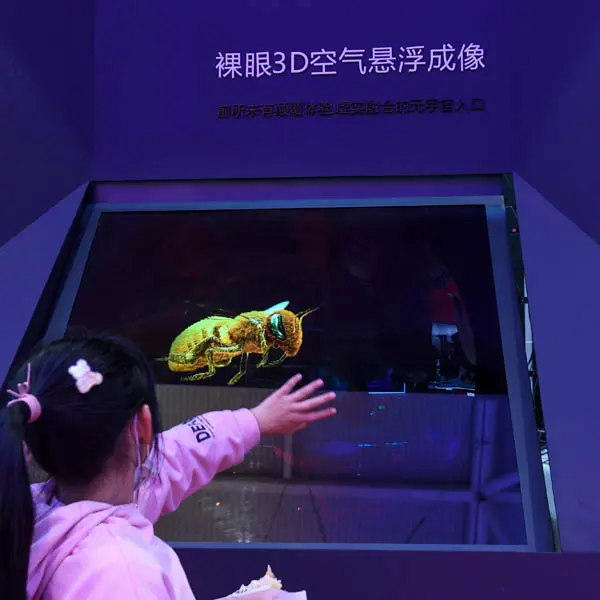
空中无介质成像 (科技馆/展览馆/医院等)空中无介质成像(科技馆/展览馆/医院等) |
无 | 无 | 无 | 普通2D视频。 原理:特殊设计的微透阵列反射镜,图像聚焦于空中,图像所在处无任何介质。普通2D视频。 原理:特殊设计的微透阵列反射镜,图像聚焦于空中,图像所在处无任何介质。 |
心理3D感知心理3D感知 |
|
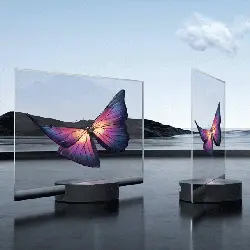
透明OLED (展厅/博物馆等)透明OLED(展厅/博物馆等) |
无 | 无 | 无 | 特制或普通2D视频。 原理:透明的大开孔率的自发光OLED显示屏,显示图像的同时其它无图像部分为透明状态。特制或普通2D视频。 原理:透明的大开孔率的自发光OLED显示屏,显示图像的同时其它无图像部分为透明状态。 |
心理3D感知心理3D感知 |
|
|
旋转LED (商超/展厅等)旋转LED(商超/展厅等) |
无 | 无 | 无 | 特制或普通2D视频。 原理:快速旋转的LED像素棒,形成透明的空中成像。特制或普通2D视频。 原理:快速旋转的LED像素棒,形成透明的空中成像。 |
心理3D感知心理3D感知 |
产品展示
探索我们的裸眼3D显示产品系列
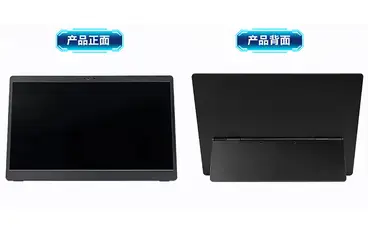
15.6英寸裸眼3D显示器(电子光栅)
桌面端及便携式裸眼3D显示器,带眼球追踪。电子光栅技术使得2D显示时分辨率无损失,即使在3840*2160分辨率时文字仍清晰可读,3D显示时自动开启电子光栅呈现真3D画面。深度沉浸体验3D游戏、3D模型展示,支持通用3D数字文件,支持移动视差。

15.6英寸裸眼3D显示器(柱镜光栅)
桌面端及便携式裸眼3D显示器,带眼球追踪,深度沉浸体验3D游戏、3D模型展示,支持通用3D数字文件,支持移动视差。
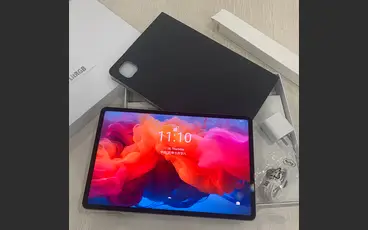
12.1英寸裸眼3D平板电脑
裸眼3D平板电脑,移动办公娱乐新体验。支持实时2D转3D显示,2D/3D模式自由切换。
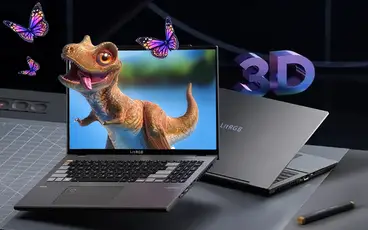
15.6英寸裸眼3D笔记本电脑
便携式裸眼3D笔记本电脑,随时随地享受真3D体验。轻便易携带,长续航支持,完整SDK支持。
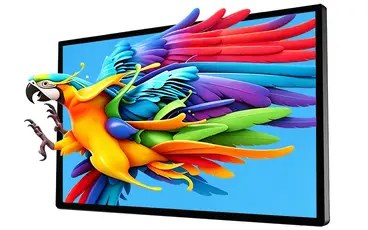
65英寸裸眼3D显示器(柱镜光栅)
带眼球追踪,深度沉浸体验3D模型展示、3D视频播放,SDK支持用户应用开发,支持通用3D数字文件。注:因产品更新,以实际交付产品为准。
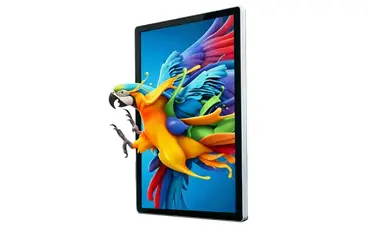
86英寸竖向全息光场显示屏
真实还原三维立体影像,支持大范围内多人多视角同时观看、实时交互。 真裸眼3D显示,具双目视差和移动视差;还原真实空间信息与物理遮挡关系,大景深。 大视角超高清分辨率,2D/3D内容无缝切换。 注:因产品更新,以实际交付产品为准。
新闻动态
了解燃景显示最新资讯与技术动态
2026-09-06 19:03:41
裸眼3D和光场显示,到底是不是一回事?
裸眼3D和光场显示是一回事吗?本文详解裸眼3D技术分类、真3D与伪3D判断标准(双目视差),以及全息光场3D的技术原理与应用场景。

2026-06-16 16:59:21
燃景显示全新推出8K全息光场裸眼3D显示器
采用先进的8K分辨率面板配合精密柱镜光栅技术,带来前所未有的裸眼3D视觉体验。
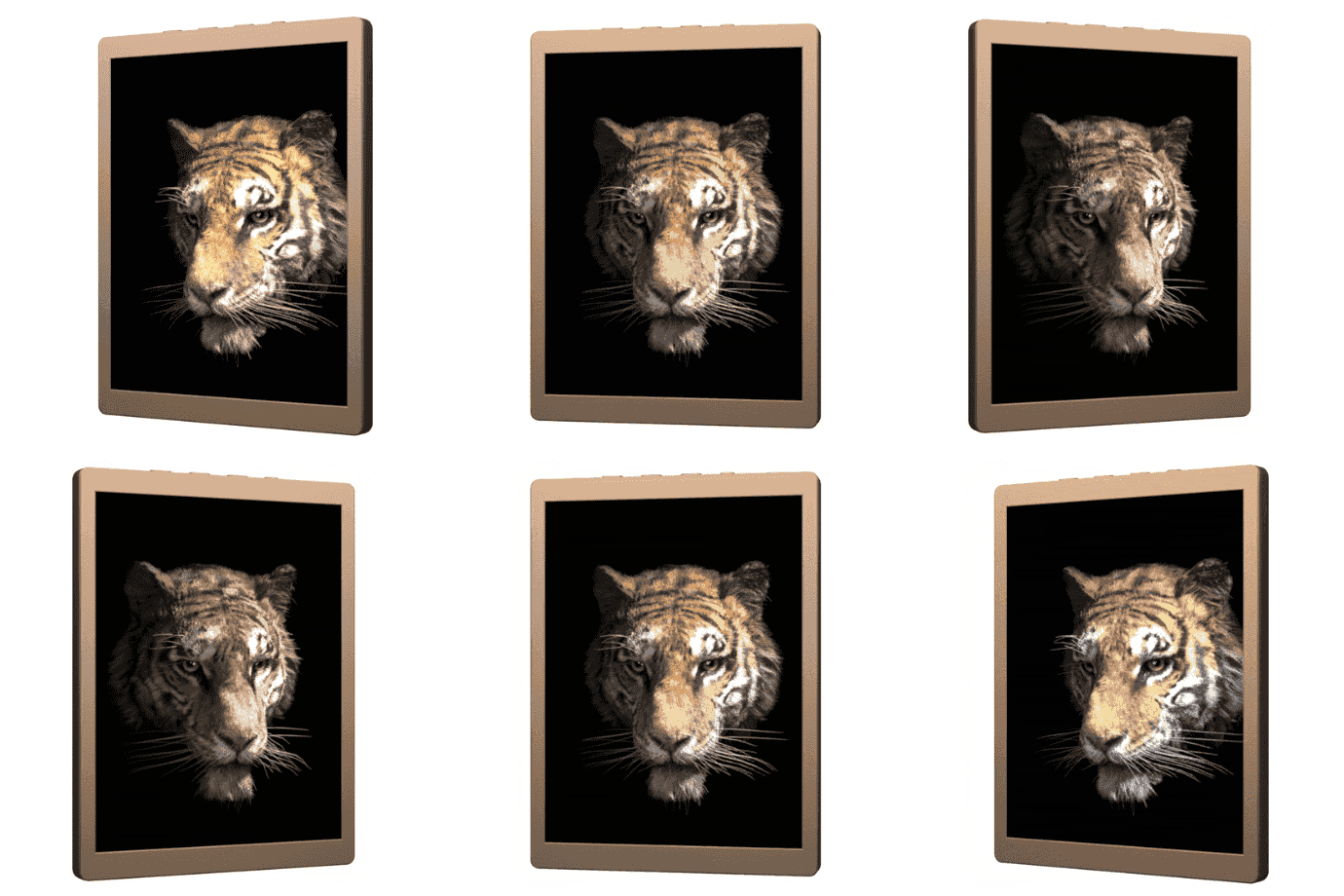
2026-06-16 17:30:17
多视点光场3D显示技术原理详解
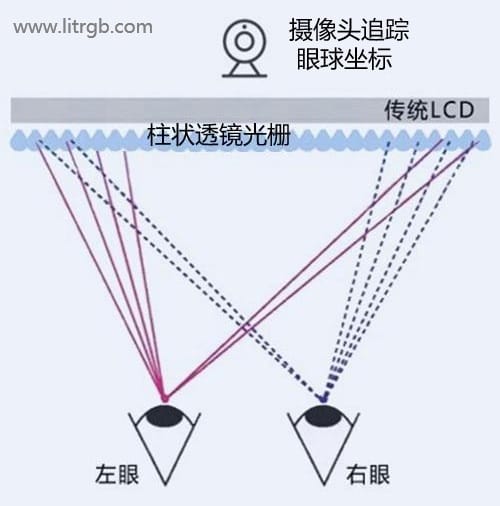
2026-06-16 17:30:17
双视点眼球追踪裸眼3D显示技术解析
详解基于眼球追踪的双视点裸眼3D显示原理,电子光栅2D/3D切换技术优势。
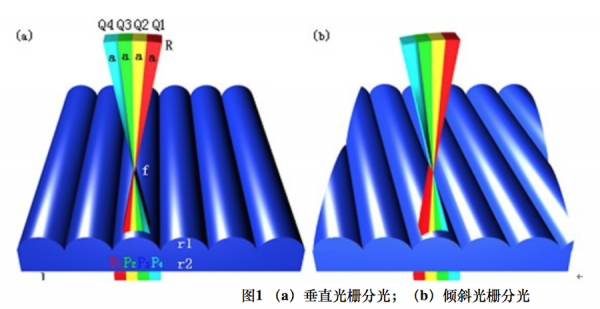
2026-06-16 17:30:17
裸眼3D显示技术方案对比:光栅类型与特性差异
全面对比柱镜光栅、圆点光栅、狭缝光栅、液晶光栅、电子光栅等不同方案的特性差异。

2026-06-16 17:30:17
常见裸眼3D显示技术差异全面对比
全面对比光场3D、眼球追踪3D、传统裸眼3D、3D电影、折角大屏等不同显示技术的双目视差、景深、移动视差和内容格式差异。
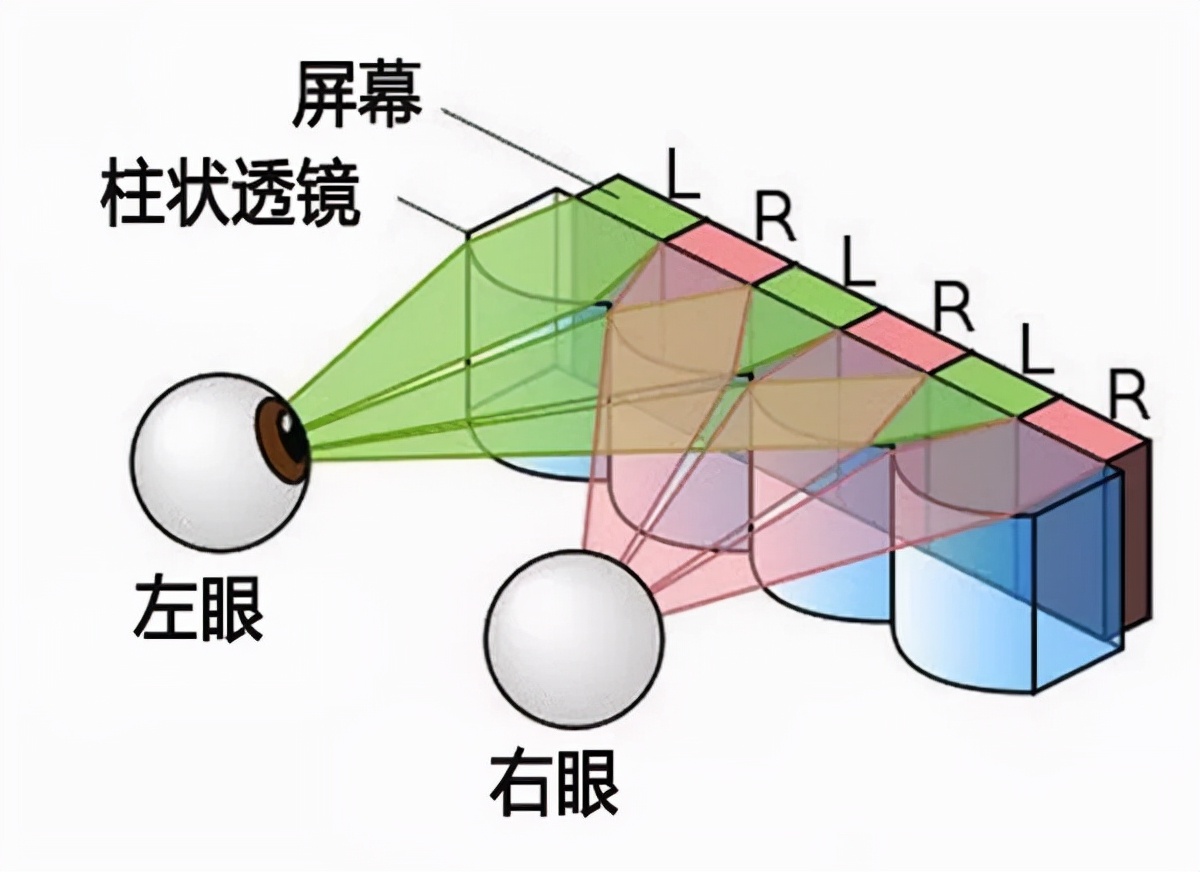
2026-06-16 16:59:21
裸眼3D显示技术原理详解
深入浅出地解析裸眼3D显示技术的工作原理、核心组件和关键技术指标。

2026-06-16 16:59:21
燃景显示与多家企业达成战略合作
公司近两年与多家显示设备制造商签署战略合作协议,共同推进裸眼3D显示技术的商业化应用。
常见问题
关于裸眼3D显示技术的常见疑问