Holographische Lichtfeld-Nacktaugen-3D-Display-Technologie
Holografische Lichtfeld-Autostereoskopie-Losungen mit echter <strong class="text-cyan-300">binokularer Parallaxe</strong> und <strong class="text-cyan-300">Bewegungsparallaxe</strong> — ganz ohne Brille
公司介绍
深圳市燃景显示技术有限公司(LitRGB),是一家专注于全息光场裸眼3D显示技术的高新技术企业。公司秉持“让世界看见真实的立体”为使命,专注于为全球2D显示行业提供专业、沉浸式的裸眼3D视觉解决方案。
公司2024年成立,但核心团队拥有10余年立体显示技术积淀,在光学设计、图像算法、软件工程等领域具备深厚技术与行业经验。作为专业的真3D显示方案提供商,我们依托成熟的光栅分光技术,无需佩戴任何专用眼镜,即可呈现具备双目视差与运动视差的真实3D效果,打造沉浸式视觉体验。
我们提供5.5"~110"全息光场裸眼3D显示方案的设计与产品定制服务,实现从光学设计、算法优化到产品定制开发的一站式交付服务。
Vergleich von brillenlosen 3D-Display-Produkten und Bildgebungstechnologien
Vergleich und Erläuterung anhand bekannter 3D-Filme
| Produktbild | 3D-Display-Typ | Binokulare Parallaxe | Tiefenstarke | Bewegungsparallaxe | Inhaltsformat & Funktionsprinzip | Anmerkungen |
|---|---|---|---|---|---|---|

|
3D-Film (Polarisationsbrille) |
Ja | Stark | Ja | Seitenweise Videodatei. Prinzip: Zwei Projektoren strahlen horizontal und vertikal polarisierte Bilder aus, die Polarisationsbrille trennt sie für binokulare Disparität. | Erfordert Polarisationsbrille |
|
|
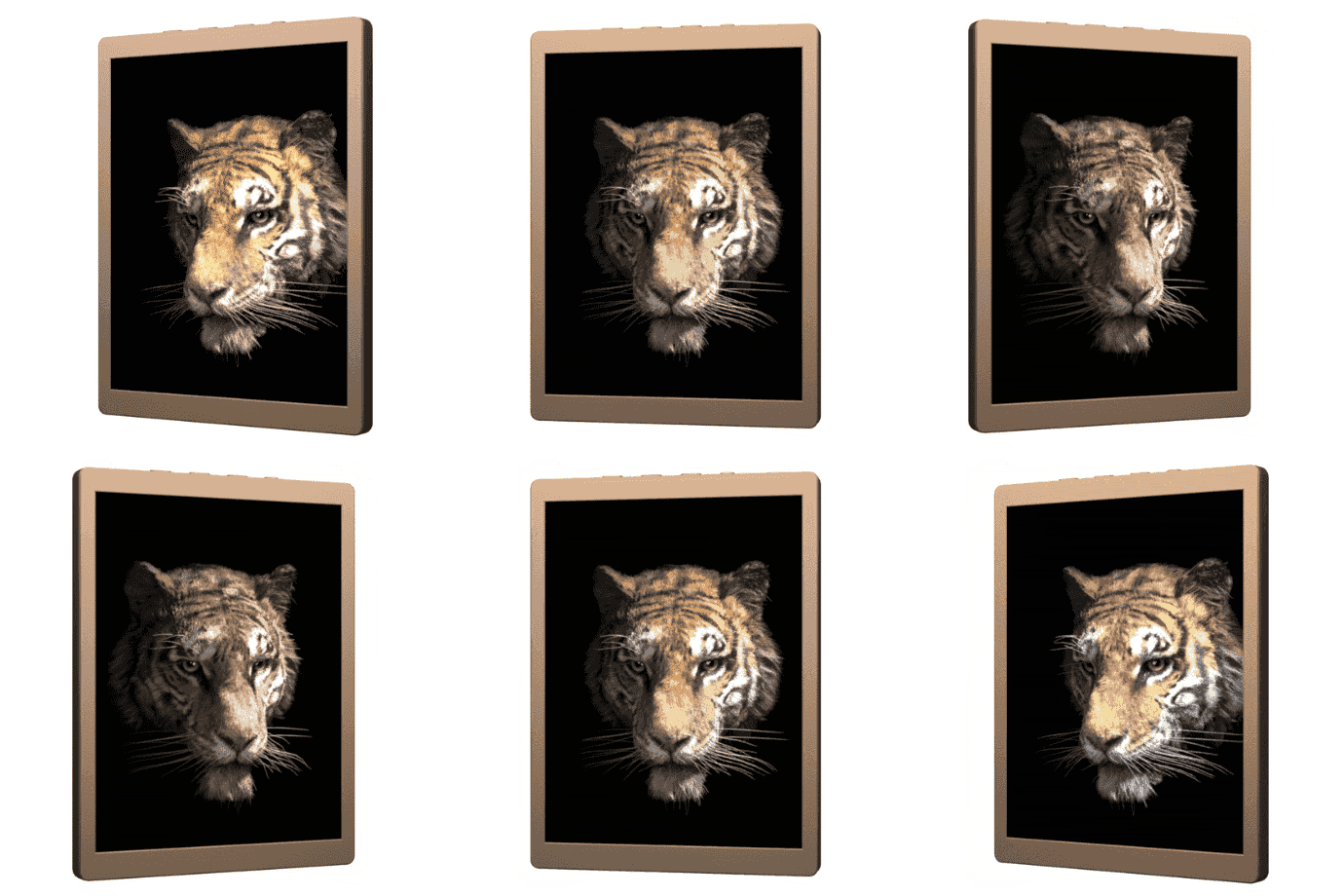
Lichtfeld-3D-Display (Multi-View, Werbung/Gaming/Bildung/Digitale Kunst) |
Ja | Stärker | Ja Außerhalb des Sweet Spots unscharf |
Multi-View-Video (8–64+ Ansichten). Prinzip: Ein Linsenraster-Array gruppiert Pixel horizontal und bricht das verschränkte Bild in jede Blickrichtung. | Physiologische 3D-Wahrnehmung. Höherer Rechenaufwand, mehrere Betrachter gleichzeitig, niedrigere effektive Auflösung. Keine Brille erforderlich |
|
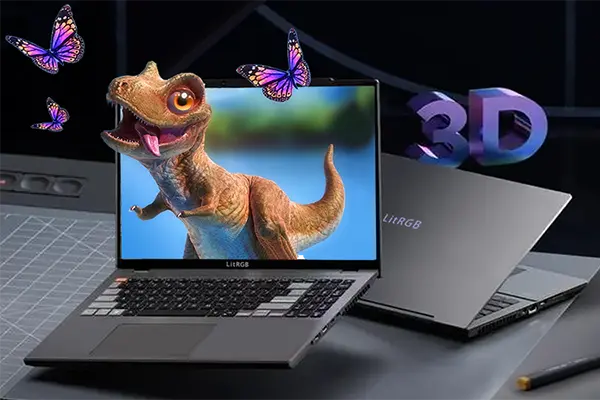
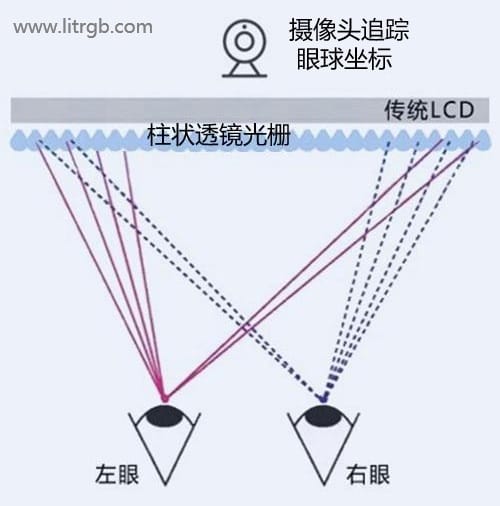
Eye-Tracking-3D-Display (Dual-View, Laptop/Tablet/Monitor) |
Ja | Stark | Ja Nur bei 3D-Modellen |
Dual-View-Video (Links-Rechts-Format). Prinzip: Elektronisches Gitter + Eye-Tracking-Kamera berechnet die Augenpositionen in Echtzeit. | Physiologische 3D-Wahrnehmung. Echtzeitverarbeitung ermöglicht Interaktion. Einzelbenutzer, höhere effektive Auflösung. Keine Brille erforderlich |
|
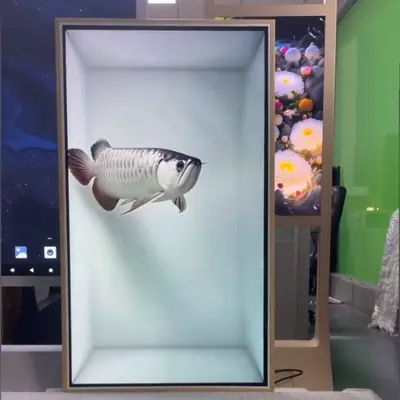
Raumdisplay-Schrank (Box-Werbung) |
Ja | Stärker | Ja | Kombination aus Lichtfeld- und 2D-Display-Technologie. Bietet den visuellen Effekt eines stereoskopischen Schrankdisplays in einem ultradünnen Gehäuse. | Physiologisches + psychologisches 3D, keine Brille nötig |
|
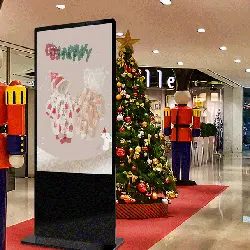
Herkömmlicher autostereoskopischer Bildschirm (Brillenfreie 3D-Werbung) |
Ja | Schwach | Nein | Side-by-Side-, 9er-Raster- oder 2D+Z-Format. Prinzip: Ein Gitter lenkt Multi-View-Bilder in verschiedene Betrachtungszonen. | Physiologische 3D-Wahrnehmung |
|
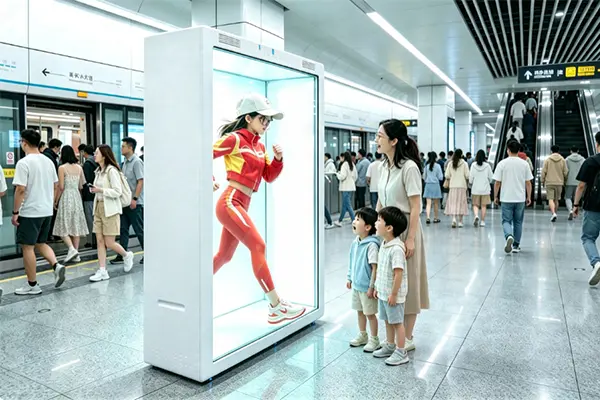
LCD-Transparent-Schrank (Digitaler Mensch / Ausstellung) |
Nein | Nein | Nein | Benutzerdefiniertes oder Standard-2D-Video. Prinzip: LCD mit hoher Öffnungsrate und kastenförmiger Hintergrundbeleuchtung. | Psychologische 3D-Wahrnehmung |
|
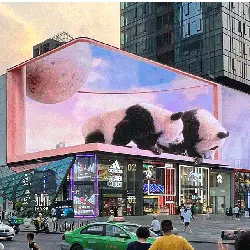
Geknickte Outdoor-LED-Wand (Outdoor-LED-Anzeige) |
Nein | Nein | Nein | Benutzerdefiniertes oder Standard-2D-Video. Prinzip: Der Knickwinkel erzeugt psychologische Tiefenhinweise und Bildverdeckung. | Psychologische 3D-Wahrnehmung |
|
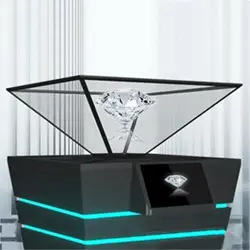
Pyramiden-Reflexions-3D-Kabine (Ausstellung / Museum) |
Nein | Nein | Nein | Benutzerdefiniertes 2D-Video. Prinzip: Halbtransparente reflektierende Folie oder Glas spiegelt das Bild. | Psychologische 3D-Wahrnehmung |
|
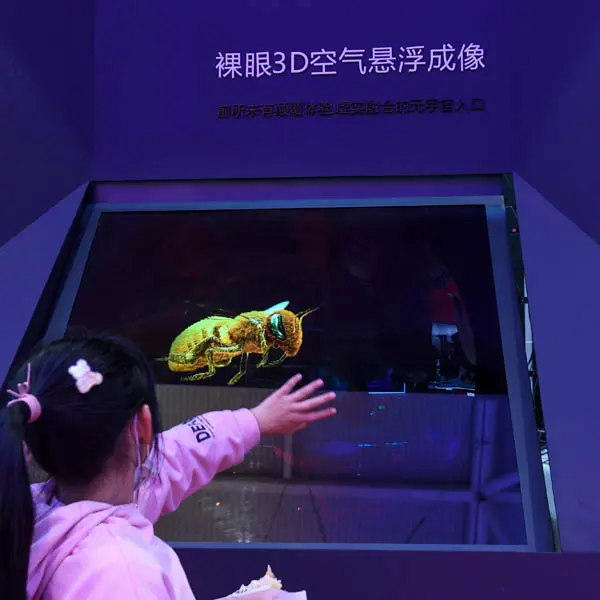
Luftbildgebung ohne Medium (Science Museum / Ausstellung / Medizin) |
Nein | Nein | Nein | Standard-2D-Video. Prinzip: Speziell entwickelte Mikrospiegel-Array fokussiert das Bild in der Luft ohne physisches Medium. | Psychologische 3D-Wahrnehmung |
|
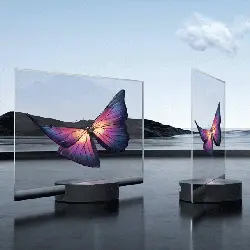
Transparentes OLED (Ausstellung / Museum) |
Nein | Nein | Nein | Benutzerdefiniertes oder Standard-2D-Video. Prinzip: Transparenter selbstleuchtender OLED mit hoher Öffnungsrate zeigt Bilder, während andere Bereiche transparent bleiben. | Psychologische 3D-Wahrnehmung |
|
|
Rotierendes LED-Display (Einzelhandel / Ausstellung) |
Nein | Nein | Nein | Benutzerdefiniertes oder Standard-2D-Video. Prinzip: Schnell rotierender LED-Pixelstab erzeugt transparente Luftbilder. | Psychologische 3D-Wahrnehmung |
Unsere Produkte
Entdecken Sie unsere Serie brillenfreier 3D-Displays
产品测试A
产品测试A
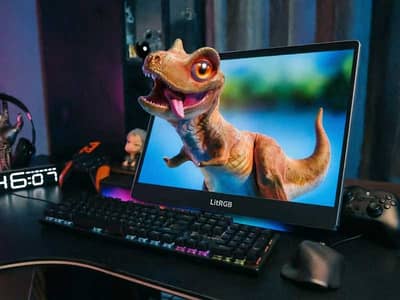
裸眼3D定制化开发
根据需求提供完整的裸眼3D产品定制开发服务,SDK支持,Unity 3D引擎兼容,全案交付或核心模块交付。
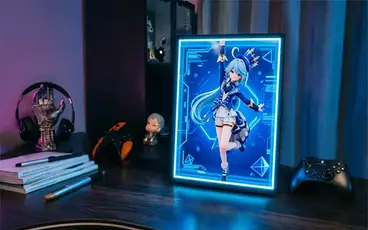
全息数字桌宠
桌面全息3D宠物,互动性强,娱乐休闲好伴侣。实时互动反馈,多种宠物选择,个性化定制。(定制化产品)
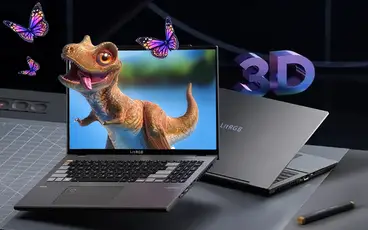
裸眼3D笔记本电脑
便携式裸眼3D笔记本电脑,随时随地享受真3D体验。轻便易携带,长续航支持,完整SDK支持。
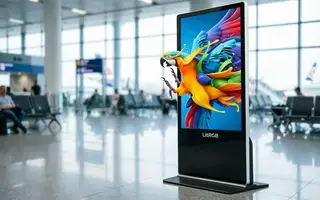
裸眼3D广告机
商业展示专用3D广告机,视觉冲击力强。大屏显示,支持远程内容管理,自动循环播放,适用于商场、展厅等场景。
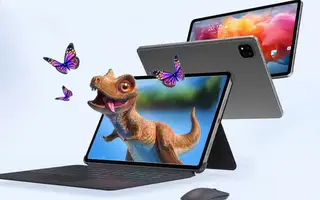
裸眼3D平板电脑
裸眼3D平板电脑,移动办公娱乐新体验。支持实时2D转3D显示,2D/3D模式自由切换。
News & Updates
Neuestes von LitRGB — Technologie-Einblicke und Unternehmensnachrichten

Haufig gestellte Fragen
Haufige Fragen zur brillenfreien 3D-Display-Technologie