홀로그래픽 라이트필드 무안경 3D 디스플레이 기술
홀로그램 광장 무안경 3D 디스플레이 솔루션 전문 기업, 양안시차와 운동시차를 갖춘 <strong class="text-cyan-300">진정한 3D</strong> 디스플레이 기술
公司介绍
深圳市燃景显示技术有限公司(LitRGB),是一家专注于全息光场裸眼3D显示技术的高新技术企业。公司秉持“让世界看见真实的立体”为使命,专注于为全球2D显示行业提供专业、沉浸式的裸眼3D视觉解决方案。
公司2024年成立,但核心团队拥有10余年立体显示技术积淀,在光学设计、图像算法、软件工程等领域具备深厚技术与行业经验。作为专业的真3D显示方案提供商,我们依托成熟的光栅分光技术,无需佩戴任何专用眼镜,即可呈现具备双目视差与运动视差的真实3D效果,打造沉浸式视觉体验。
我们提供5.5"~110"全息光场裸眼3D显示方案的设计与产品定制服务,实现从光学设计、算法优化到产品定制开发的一站式交付服务。
10+
년간 입체 디스플레이 기술 축적
5.5"~110"
전체 사이즈 맞춤 범위
듀얼뷰/멀티뷰
이중 기술 경로
전 과정
광학 설계부터 제품 납품까지
무안경 3D 디스플레이 제품 및 결상 기술 비교
널리 알려진 3D 영화를 참고하여 비교 및 설명
| 제품이미지 | 3D 디스플레이 형태 | 양안시차 | 심도 강도 | 운동시차 | 3D 콘텐츠 형식 및 구현 원리 | 비고 |
|---|---|---|---|---|---|---|

|
3D 영화 (편광 안경식) |
있음 | 강함 | 있음 | 좌우 형식 비디오. 원리: 두 대의 프로젝터가 수평/수직 편광 이미지를 투사하고, 편광 안경이 분광하여 양안 시차를 구현합니다. | 편광 안경 필요 |
|
|
광장 3D 디스플레이 (다중 시점, 광고/게임/교육/디지털 아트) |
있음 | 강한 편 | 있음 최적 범위를 벗어나면 흐려짐 |
다중 시점 비디오 (8~64+ 시점). 원리: 렌티큘러 렌즈 배열이 수평 방향으로 픽셀을 그룹화하여 인터레이스 이미지를 각 시점으로 굴절시킵니다. | 생리적 3D 인식. 높은 연산 요구, 다중 시청자 지원, 낮은 유효 해상도. 안경 불필요 |
|
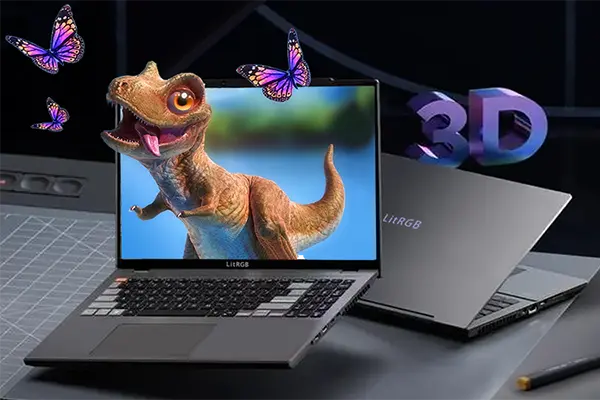
아이트래킹 3D 디스플레이 (듀얼 뷰, 노트북/태블릿/모니터) |
있음 | 강함 | 있음 3D 모델에만 해당 |
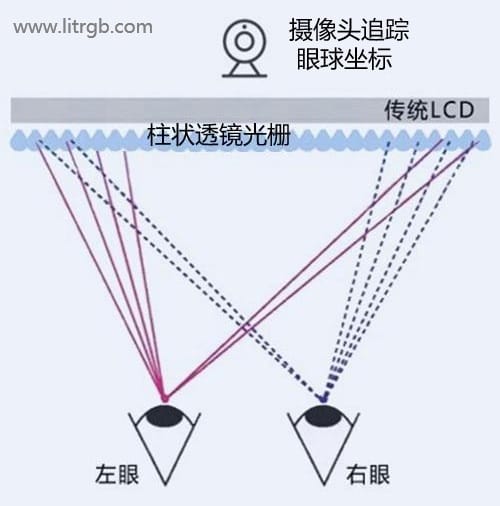
듀얼 뷰 비디오 (좌우 형식). 원리: 전자 그레이팅 + 아이트래킹 카메라가 실시간으로 좌우 눈 위치를 계산합니다. | 생리적 3D 인식. 실시간 처리로 상호작용 가능. 단일 사용자, 높은 유효 해상도. 안경 불필요 |
|
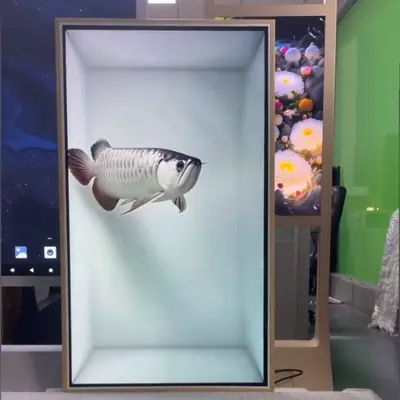
공간 광고기 (박스형 광고기) |
있음 | 강함 | 있음 | 광장 디스플레이와 2D 디스플레이의 결합. 초박형 바디로 입체 박스 광고기의 시각적 효과를 제공합니다. | 생리적 + 심리적 3D, 안경 불필요 |

|
전통적 무안경 3D 화면 (무안경 3D 광고기) |
있음 | 약함 | 없음 | 좌우 형식, 9그리드 또는 2D+Z. 원리: 그레이팅이 다중 시점 이미지를 각 시역으로 방향 제어합니다. | 생리적 3D 인식 |
|
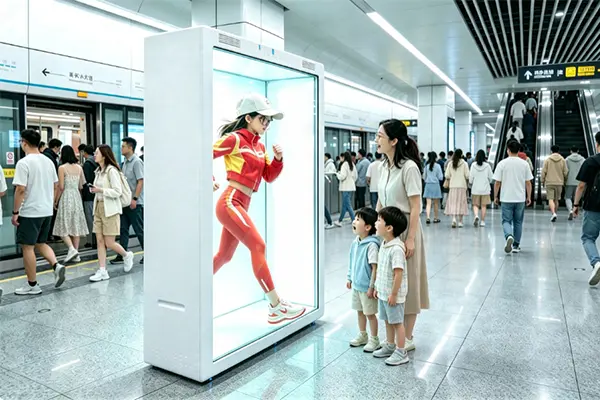
LCD 투명 캐비닛 (디지털 휴먼 / 전시) |
없음 | 없음 | 없음 | 특수 제작 또는 표준 2D 비디오. 원리: 고개구율 LCD가 박스형 백라이트로 이미지를 표시합니다. | 심리적 3D 인식 |
|
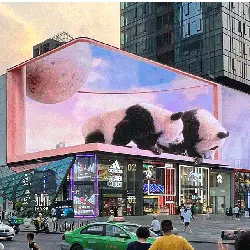
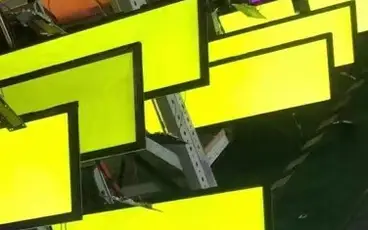
접이식 옥외 대형 LED (옥외 LED 디스플레이) |
없음 | 없음 | 없음 | 특수 제작 또는 표준 2D 비디오. 원리: 접힌 각도가 심리적 깊이 단서와 이미지 가림을 만듭니다. | 심리적 3D 인식 |
|
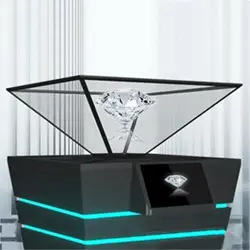
사면뿔 반사 3D 캐비닛 (전시 / 박물관) |
없음 | 없음 | 없음 | 특수 제작 2D 비디오. 원리: 반투명 반사 필름 또는 반사 유리가 이미지를 반사합니다. | 심리적 3D 인식 |
|
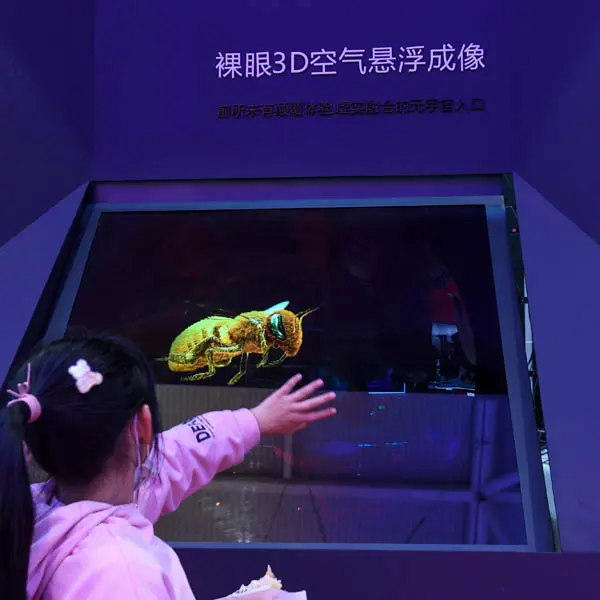
공중 무매체 결상 (과학관 / 전시 / 의료) |
없음 | 없음 | 없음 | 표준 2D 비디오. 원리: 특수 설계된 마이크로 미러 배열이 공중에 이미지를 결상합니다. | 심리적 3D 인식 |
|
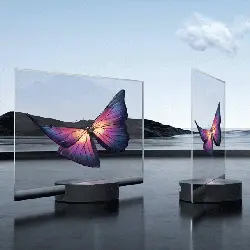
투명 OLED (전시 / 박물관) |
없음 | 없음 | 없음 | 특수 제작 또는 표준 2D 비디오. 원리: 고개구율 투명 자발광 OLED가 이미지를 표시하고 비이미지 영역은 투명합니다. | 심리적 3D 인식 |
|
|
회전 LED (소매 / 전시) |
없음 | 없음 | 없음 | 특수 제작 또는 표준 2D 비디오. 원리: 고속 회전 LED 픽셀 막대가 투명한 공중 이미지를 형성합니다. | 심리적 3D 인식 |
제품 전시
무안경 3D 디스플레이 제품 시리즈를 만나보세요
产品测试A
产品测试A
产品测试A产品测试A
产品测试A产品测试A
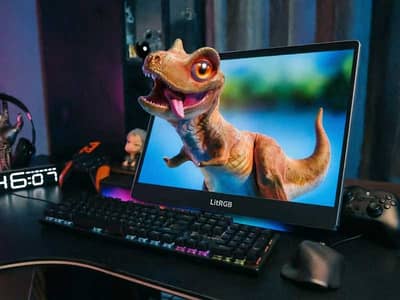
裸眼3D定制化开发
根据需求提供完整的裸眼3D产品定制开发服务,SDK支持,Unity 3D引擎兼容,全案交付或核心模块交付。
技术支持
SDK支持
Unity3D引擎兼容
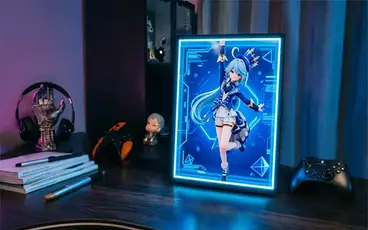
全息数字桌宠
桌面全息3D宠物,互动性强,娱乐休闲好伴侣。实时互动反馈,多种宠物选择,个性化定制。(定制化产品)
眼球追踪 / 非眼球追踪
实时互动反馈
多种宠物选择
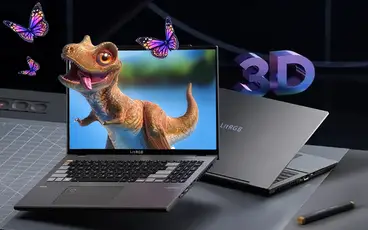
裸眼3D笔记本电脑
便携式裸眼3D笔记本电脑,随时随地享受真3D体验。轻便易携带,长续航支持,完整SDK支持。
2D分辨率无损失
2D/3D显示切换
长续航支持
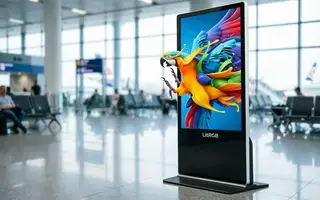
裸眼3D广告机
商业展示专用3D广告机,视觉冲击力强。大屏显示,支持远程内容管理,自动循环播放,适用于商场、展厅等场景。
无需眼球追踪
支持群体观看
支持远程内容管理

裸眼3D平板电脑
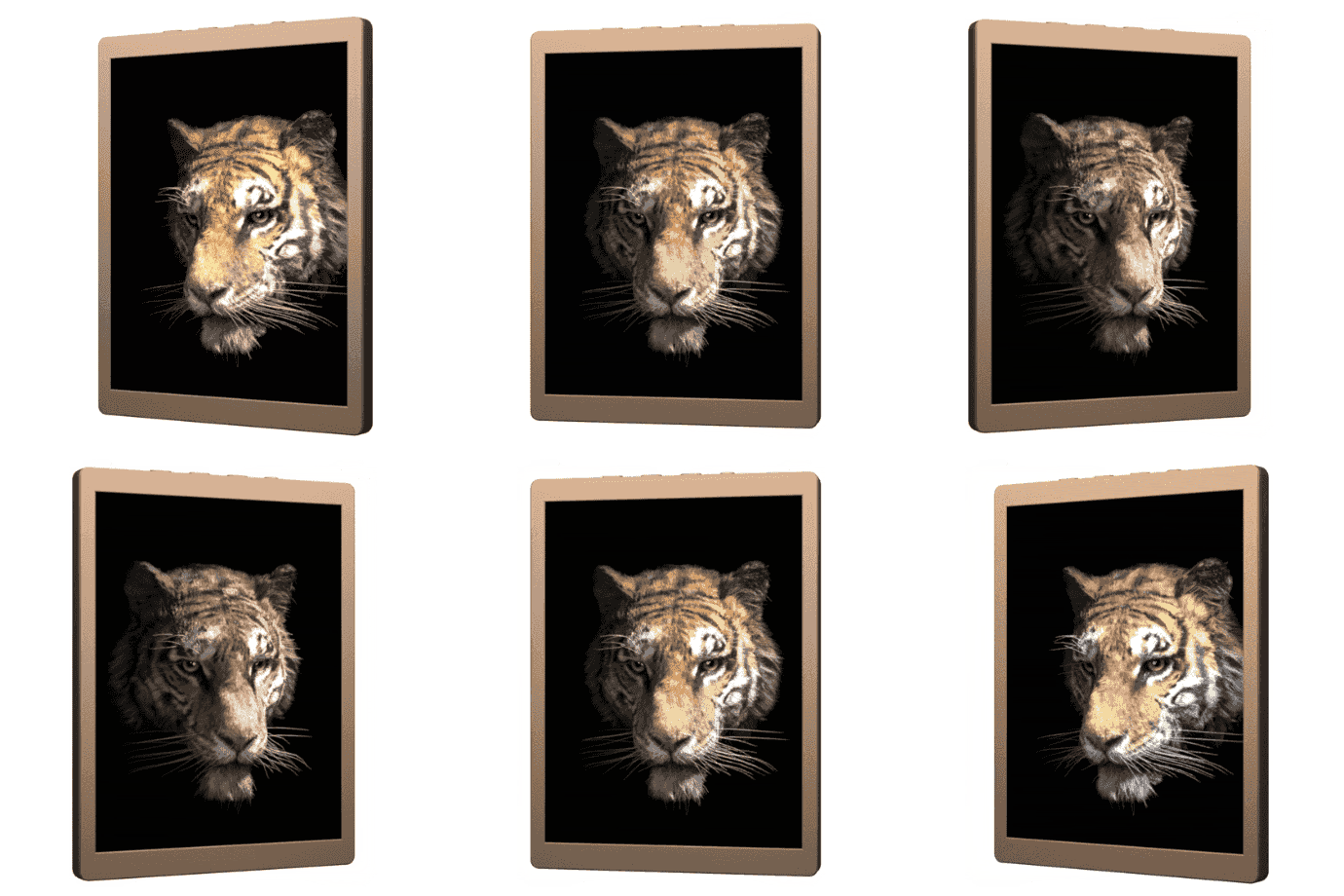
裸眼3D平板电脑,移动办公娱乐新体验。支持实时2D转3D显示,2D/3D模式自由切换。
实时眼球追踪
2D/3D模式自由切换
高清触控屏

자주 묻는 질문
무안경 3D 디스플레이 기술에 대한 자주 묻는 질문
What's the difference between 'true 3D' and 'pseudo 3D'? ▼
Human depth perception from flat displays comes from two sources: physiological cues (binocular parallax, motion parallax, convergence, and accommodation) that create immersive depth — 'true 3D'; and psychological cues (linear perspective, relative size, lighting/shadow, etc.) that suggest depth without immersion — 'pseudo 3D.' LitRGB's eye-tracking 3D (dual-view) and holographic light field 3D (multi-view) both deliver true physiological 3D with binocular disparity.
What's the difference between light field 3D (multi-view) and eye-tracking 3D (dual-view)? ▼
Light field 3D (ultra multi-view) projects numerous viewpoints in front of the screen — multiple people can watch 3D simultaneously and see motion parallax when moving. The trade-off: wider viewing angle means lower effective resolution. Eye-tracking 3D (dual-view) creates just two viewpoints and uses a camera to track the user's eye position in real time, delivering continuous, high-resolution 3D without jumps — ideal for single-user, high-clarity applications.
Does the glasses-free 3D display lose 2D resolution? ▼
LitRGB uses electronic grating technology — a liquid crystal structure that can be switched on or off electronically. In 2D mode, the grating is disabled entirely, so light passes through without any beam-steering refraction — delivering full native resolution with zero pixel loss. Fixed physical lenticular lenses always color the light path, causing visible pixelation in 2D text.
What is binocular parallax and why is it essential for 3D displays? ▼
Binocular parallax is the slight horizontal offset between the images seen by each eye, caused by the ~65 mm gap between human pupils. This offset is the brain's primary physiological mechanism for depth perception. All true 3D technologies — cinema (polarized glasses), light field displays (glasses-free), and eye-tracking displays (glasses-free) — are built on binocular parallax.
How do I create or source glasses-free 3D content? ▼
3D content can be created through multiple methods: ① 3D modeling software like Blender; ② light field cameras or camera arrays; ③ dual-camera capture (iPhone 15 Pro and newer can record side-by-side format); ④ AI-assisted 2D-to-3D conversion. The pipeline: 3D modeling/capture → grid image generation → interleaving (creating the composite 'ghost' image) → grating beam steering into multi-view images.
What product sizes and customization options does LitRGB offer? ▼
We cover the full 5.5"–110" size range across both dual-view and multi-view light field 3D display products. Product forms include holographic light field 3D monitors, glasses-free 3D tablets, 3D laptops, 3D digital signage, and holographic desktop displays. We provide full turnkey service from optical design and algorithm optimization through custom product development, with SDK support for Unity3D, C++, and Python.