裸眼 3D ディスプレイ製品と結像技術の比較
一般的に知られている 3D 映画を参照して比較・解説する
公司介绍
深圳市燃景显示技术有限公司(LitRGB),是一家专注于全息光场裸眼3D显示技术的高新技术企业。公司秉持“让世界看见真实的立体”为使命,专注于为全球2D显示行业提供专业、沉浸式的裸眼3D视觉解决方案。
公司2024年成立,但核心团队拥有10余年立体显示技术积淀,在光学设计、图像算法、软件工程等领域具备深厚技术与行业经验。作为专业的真3D显示方案提供商,我们依托成熟的光栅分光技术,无需佩戴任何专用眼镜,即可呈现具备双目视差与运动视差的真实3D效果,打造沉浸式视觉体验。
我们提供5.5"~110"全息光场裸眼3D显示方案的设计与产品定制服务,实现从光学设计、算法优化到产品定制开发的一站式交付服务。
10+
年の立体表示技術の蓄積
5.5"~110"
全サイズカスタム範囲
2視点/多視点
2つの技術路線
一貫対応
光学設計から製品納品まで
一般的な裸眼3D表示技術の比較
| 製品画像 | 3D表示形態 | 両眼視差 | 奥行き強度 | 運動視差 | 3Dコンテンツ形式と実現原理 | 備考 |
|---|---|---|---|---|---|---|

|
3D映画 (偏光メガネ式) |
有 | 強い | 有 | 左右フォーマット動画。原理:2台のプロジェクターが水平・垂直偏光画像を投射し、偏光メガネで分光して両眼視差を実現。 | 偏光メガネが必要 |
|
|
光場3Dディスプレイ (多視点、広告/ゲーム/教育/デジタルアート) |
有 | やや強い | 有 範囲外ではぼやける |
多視点動画(8〜64+視点)。原理:レンチキュラーレンズアレイが水平方向にピクセルをグループ化し、インターレース画像を各視点に屈折。 | 生理的3D知覚。高い計算能力が必要。複数人同時視聴可能。実効解像度は低め。 メガネ不要 |
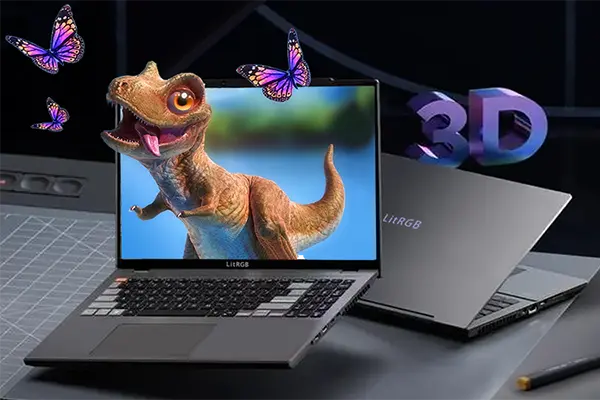
|
眼球追跡3Dディスプレイ (デュアルビュー、ノートPC/タブレット/モニター) |
有 | 強い | 有 3Dモデルのみ有効 |
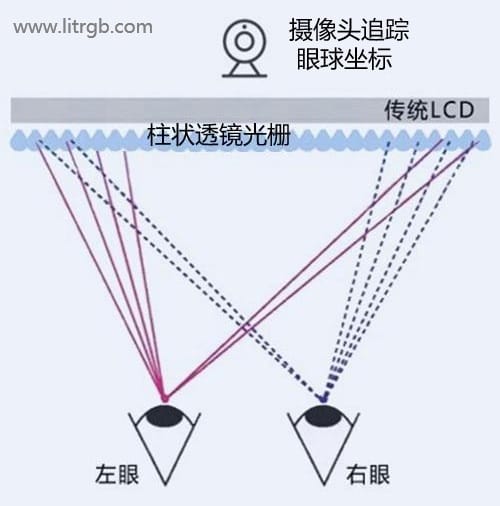
デュアルビュー動画(左右形式)。原理:電子グレーティング+眼球追跡カメラがリアルタイムで左右の目位置を計算。 | 生理的3D知覚。リアルタイム処理でインタラクティブ対応可能。シングルユーザー。高解像度。 メガネ不要 |
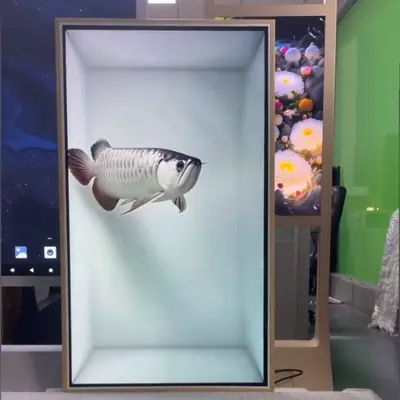
|
空間表示広告機 (ボックス型広告機) |
有 | 強い | 有 | 光場表示と2D表示の組み合わせ。立体ボックス広告機の視覚効果を超薄型ボディで実現。 | 生理的+心理的3D、メガネ不要 |

|
従来の裸眼3D画面 (裸眼3D広告機) |
有 | 弱い | 無 | 左右形式、9グリッド、または2D+Z。原理:グレーティングが多視点画像を各視域に方向制御。 | 生理的3D知覚 |
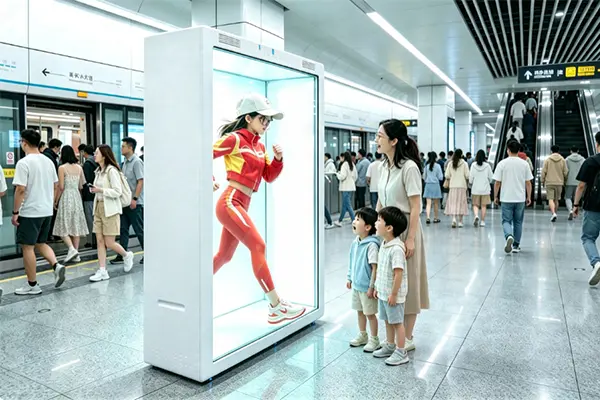
|
LCD透明ケース (デジタルヒューマン/展示) |
無 | 無 | 無 | 特製または標準2D動画。原理:高開口率LCDが箱型バックライトで画像を表示。 | 心理的3D知覚 |
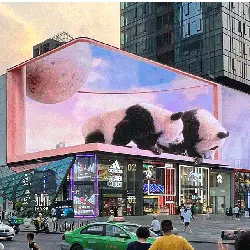
|
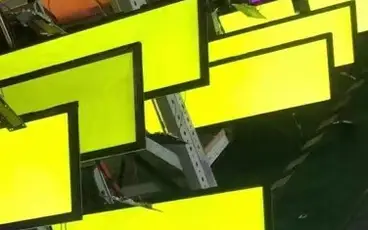
折れ角屋外大画面 (屋外LED表示) |
無 | 無 | 無 | 特製または標準2D動画。原理:折れ角による心理的深度手がかりと画像オクルージョン。 | 心理的3D知覚 |
|
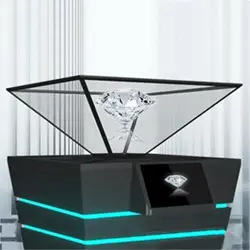
四面錐反射3Dケース (展示/博物館) |
無 | 無 | 無 | 特製2D動画。原理:半透明反射フィルムまたは反射ガラスが画像を反射。 | 心理的3D知覚 |
|
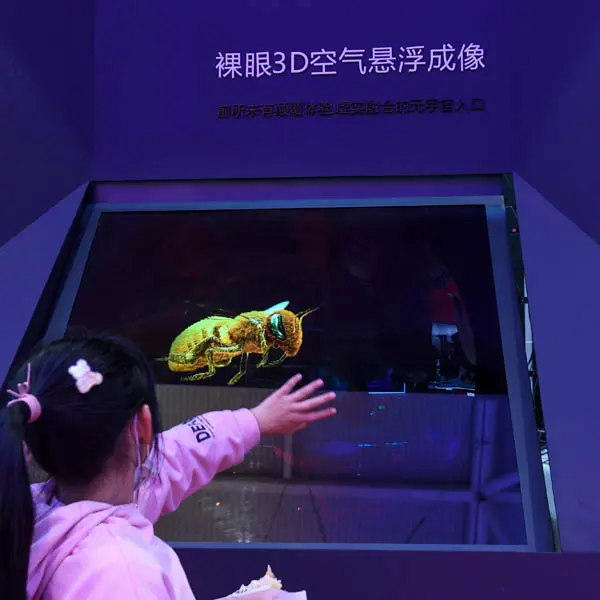
空中無媒体結像 (科学館/展示/医療) |
無 | 無 | 無 | 標準2D動画。原理:特殊設計のマイクロミラーアレイが空中に画像を結像。 | 心理的3D知覚 |
|
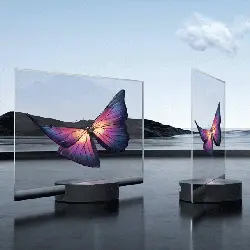
透明OLED (展示/博物館) |
無 | 無 | 無 | 特製または標準2D動画。原理:高開口率の透明自発光OLEDが画像表示、非画像部は透明。 | 心理的3D知覚 |
|
|
回転LED (小売/展示) |
無 | 無 | 無 | 特製または標準2D動画。原理:高速回転LEDピクセル棒が透明な空中映像を形成。 | 心理的3D知覚 |
製品紹介
当社の裸眼3D表示製品シリーズをご覧ください
产品测试A
产品测试A
产品测试A产品测试A
产品测试A产品测试A
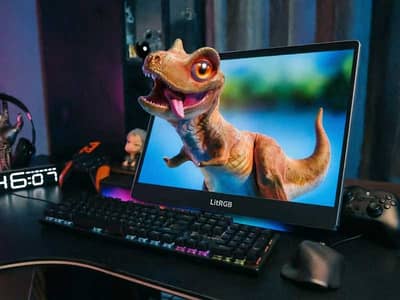
裸眼3D定制化开发
根据需求提供完整的裸眼3D产品定制开发服务,SDK支持,Unity 3D引擎兼容,全案交付或核心模块交付。
技术支持
SDK支持
Unity3D引擎兼容
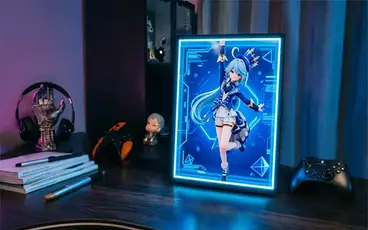
全息数字桌宠
桌面全息3D宠物,互动性强,娱乐休闲好伴侣。实时互动反馈,多种宠物选择,个性化定制。(定制化产品)
眼球追踪 / 非眼球追踪
实时互动反馈
多种宠物选择
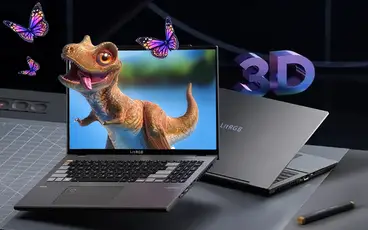
裸眼3D笔记本电脑
便携式裸眼3D笔记本电脑,随时随地享受真3D体验。轻便易携带,长续航支持,完整SDK支持。
2D分辨率无损失
2D/3D显示切换
长续航支持
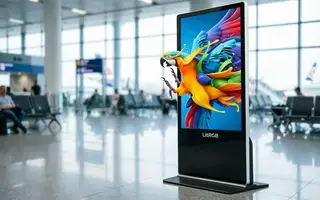
裸眼3D广告机
商业展示专用3D广告机,视觉冲击力强。大屏显示,支持远程内容管理,自动循环播放,适用于商场、展厅等场景。
无需眼球追踪
支持群体观看
支持远程内容管理
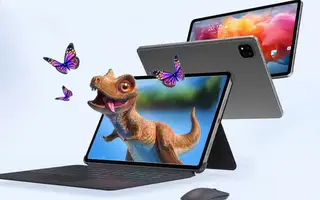
裸眼3D平板电脑
裸眼3D平板电脑,移动办公娱乐新体验。支持实时2D转3D显示,2D/3D模式自由切换。
实时眼球追踪
2D/3D模式自由切换
高清触控屏

よくある質問
裸眼3D表示技術に関するよくあるご質問
What's the difference between 'true 3D' and 'pseudo 3D'? ▼
Human depth perception from flat displays comes from two sources: physiological cues (binocular parallax, motion parallax, convergence, and accommodation) that create immersive depth — 'true 3D'; and psychological cues (linear perspective, relative size, lighting/shadow, etc.) that suggest depth without immersion — 'pseudo 3D.' LitRGB's eye-tracking 3D (dual-view) and holographic light field 3D (multi-view) both deliver true physiological 3D with binocular disparity.
What's the difference between light field 3D (multi-view) and eye-tracking 3D (dual-view)? ▼
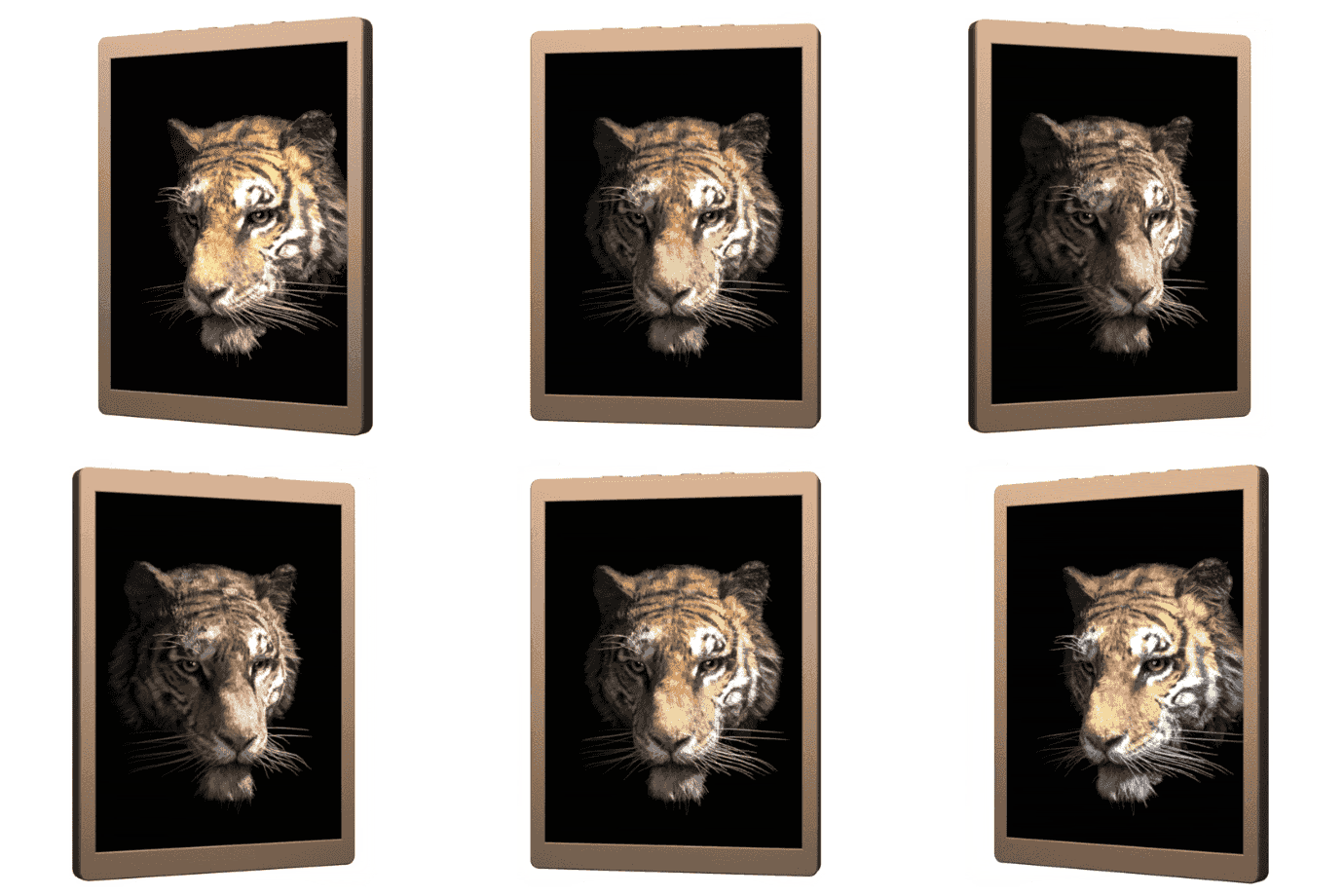
Light field 3D (ultra multi-view) projects numerous viewpoints in front of the screen — multiple people can watch 3D simultaneously and see motion parallax when moving. The trade-off: wider viewing angle means lower effective resolution. Eye-tracking 3D (dual-view) creates just two viewpoints and uses a camera to track the user's eye position in real time, delivering continuous, high-resolution 3D without jumps — ideal for single-user, high-clarity applications.
Does the glasses-free 3D display lose 2D resolution? ▼
LitRGB uses electronic grating technology — a liquid crystal structure that can be switched on or off electronically. In 2D mode, the grating is disabled entirely, so light passes through without any beam-steering refraction — delivering full native resolution with zero pixel loss. Fixed physical lenticular lenses always color the light path, causing visible pixelation in 2D text.
What is binocular parallax and why is it essential for 3D displays? ▼
Binocular parallax is the slight horizontal offset between the images seen by each eye, caused by the ~65 mm gap between human pupils. This offset is the brain's primary physiological mechanism for depth perception. All true 3D technologies — cinema (polarized glasses), light field displays (glasses-free), and eye-tracking displays (glasses-free) — are built on binocular parallax.
How do I create or source glasses-free 3D content? ▼
3D content can be created through multiple methods: ① 3D modeling software like Blender; ② light field cameras or camera arrays; ③ dual-camera capture (iPhone 15 Pro and newer can record side-by-side format); ④ AI-assisted 2D-to-3D conversion. The pipeline: 3D modeling/capture → grid image generation → interleaving (creating the composite 'ghost' image) → grating beam steering into multi-view images.
What product sizes and customization options does LitRGB offer? ▼
We cover the full 5.5"–110" size range across both dual-view and multi-view light field 3D display products. Product forms include holographic light field 3D monitors, glasses-free 3D tablets, 3D laptops, 3D digital signage, and holographic desktop displays. We provide full turnkey service from optical design and algorithm optimization through custom product development, with SDK support for Unity3D, C++, and Python.